
Let’s face it—life moves fast. Between juggling work, family, and everything in between, most of us are looking for ways to make daily life a little easier. That’s where home automation steps in. What used to be a luxury reserved for high-end homes is now becoming a must-have for everyday living in the U.S.
Thanks to more affordable and user-friendly smart home devices, more people are embracing the convenience, safety, and energy savings that automation brings to the table.
What Exactly Is Home Automation?
At its core, home automation means using smart devices to control things like your lights, thermostat, security system—even your coffee maker—from your phone or with your voice. These devices usually connect through a central app or hub and work with assistants like Alexa, Google Assistant, or Apple’s HomeKit.
But it’s not just about gadgets—it’s about making your home work smarter, not harder.
1. Convenience That Just Makes Sense
Ever left the house and couldn’t remember if you turned the lights off? Or wished your thermostat would adjust itself before you even walked in the door?
Smart home tech puts control in your pocket—literally. From voice commands to scheduled routines, your home can run in the background while you focus on more important things.
Common smart devices for convenience:
- Smart thermostats like Nest or Ecobee
- Smart light bulbs and dimmers
- Wi-Fi plugs and smart switches
- Virtual assistants (Alexa, Google Home)
2. Better Security, Even When You’re Not Home
Home automation isn’t just about comfort—it’s also a powerful way to protect your space. Whether you’re on vacation or just out running errands, smart security systems can send real-time alerts, show you who’s at the door, or even lock the front door remotely.
Top security devices:
- Video doorbells (Ring, Arlo)
- Smart locks
- Motion detectors
- Outdoor and indoor cameras
These tools give you peace of mind and can even help lower your home insurance premiums.
3. Save Energy, Save Money
Smart homes aren’t just about cool features—they’re also good for your wallet. Energy-efficient smart devices help reduce waste by adjusting automatically to your habits.
A smart thermostat, for example, learns your schedule and avoids heating or cooling an empty house. Over time, that can mean big savings on your energy bill.
Energy-saving gadgets include:
- Smart thermostats
- Motion-activated lighting
- Energy monitoring outlets and power strips
- Smart blinds or window shades
According to the U.S. Department of Energy, some smart thermostats can save up to 10% annually on heating and cooling costs.
4. Helping Seniors and People with Disabilities
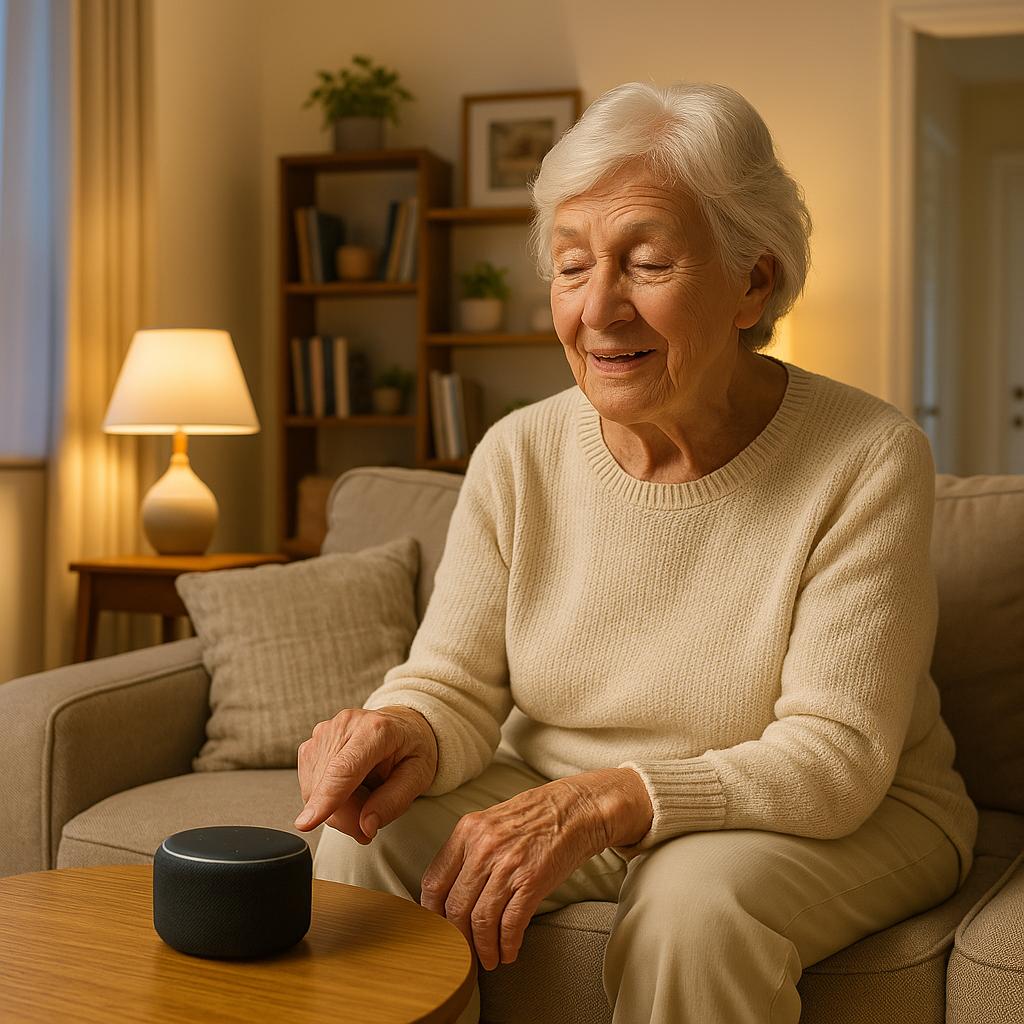
One of the unsung benefits of home automation is how much it can help people stay independent. Whether it’s a senior aging in place or someone living with a disability, voice control and automated systems can make life a lot more manageable—and safer.
Helpful devices for accessibility:
- Voice-activated assistants
- Smart pill organizers and reminders
- Fall detection sensors
- Auto-opening doors or smart locks
5. Boosting Your Home’s Value
Thinking of selling your house someday? Smart upgrades can give you a competitive edge. More buyers are looking for homes with built-in smart home technology, and many are willing to pay a premium for it.
Simple upgrades like smart lighting or a security system can increase your home’s appeal and speed up the sale process.
6. Start Small or Go Big—It’s Up to You
The great thing about home automation is that you don’t have to commit to a full transformation overnight. Start with a smart plug or lightbulb and grow from there.
You can gradually build your own ecosystem with whatever platform works best for you—whether it’s Amazon Alexa, Google Home, Apple HomeKit, or Samsung SmartThings.
Smart Home Devices in Everyday Life: Image Gallery
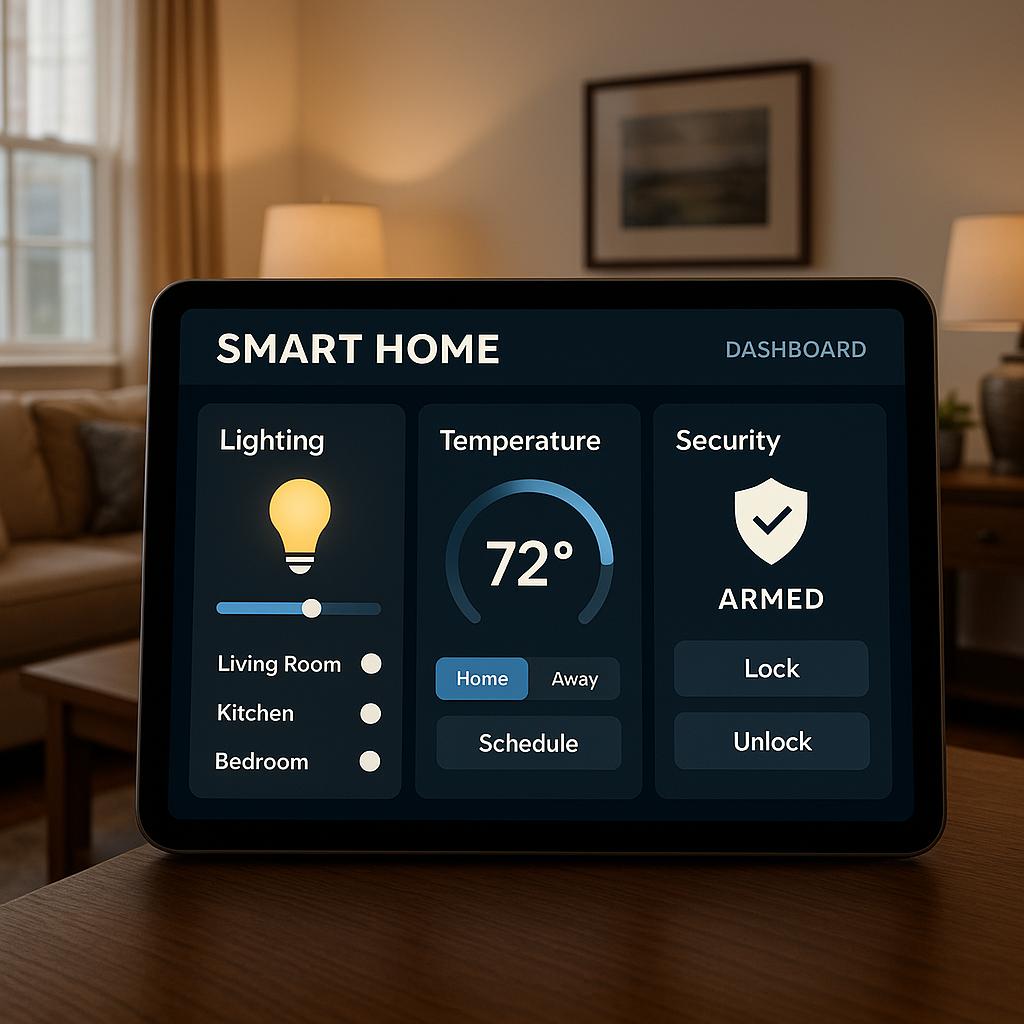
- Smart Home Dashboard Interface: A modern tablet interface showing controls for lighting, temperature, and security in a cozy American living room.
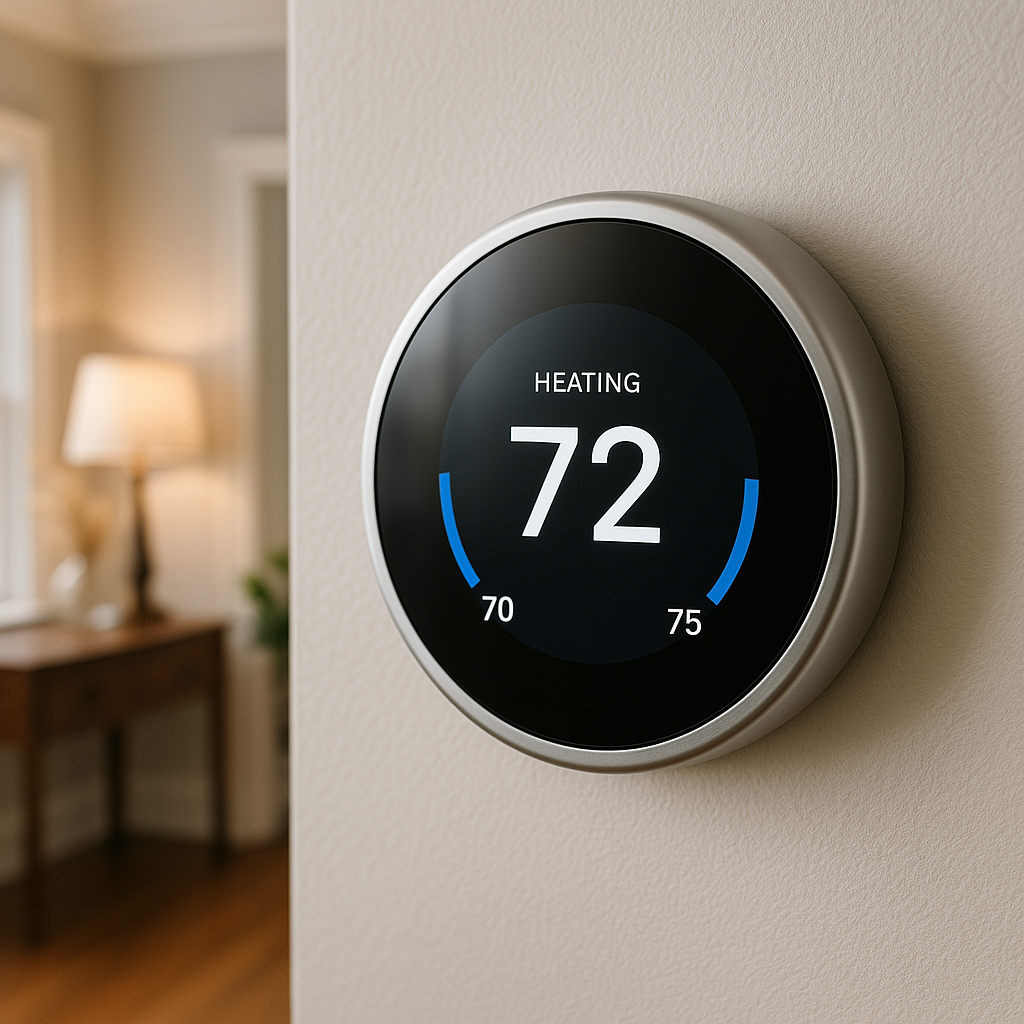
Smart Thermostat Close-Up: A stylish wall-mounted smart thermostat (like Nest or Ecobee) with visible temperature settings in a contemporary home interior.
Family Using Voice Assistant: A cheerful American family interacting with a smart speaker (Amazon Echo or Google Nest) in a modern living room.

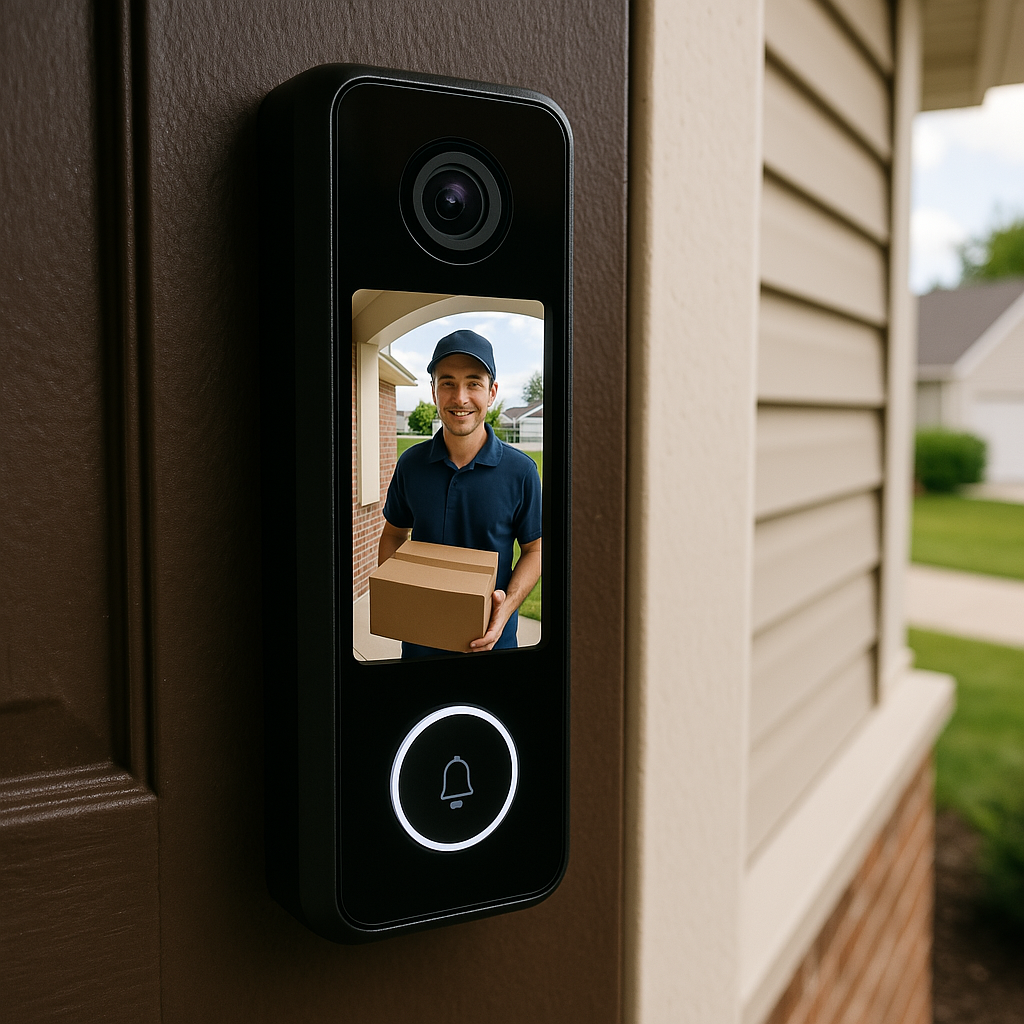
Smart Doorbell Camera: A front door of a suburban American house featuring a smart doorbell camera with a delivery person visible on the screen.
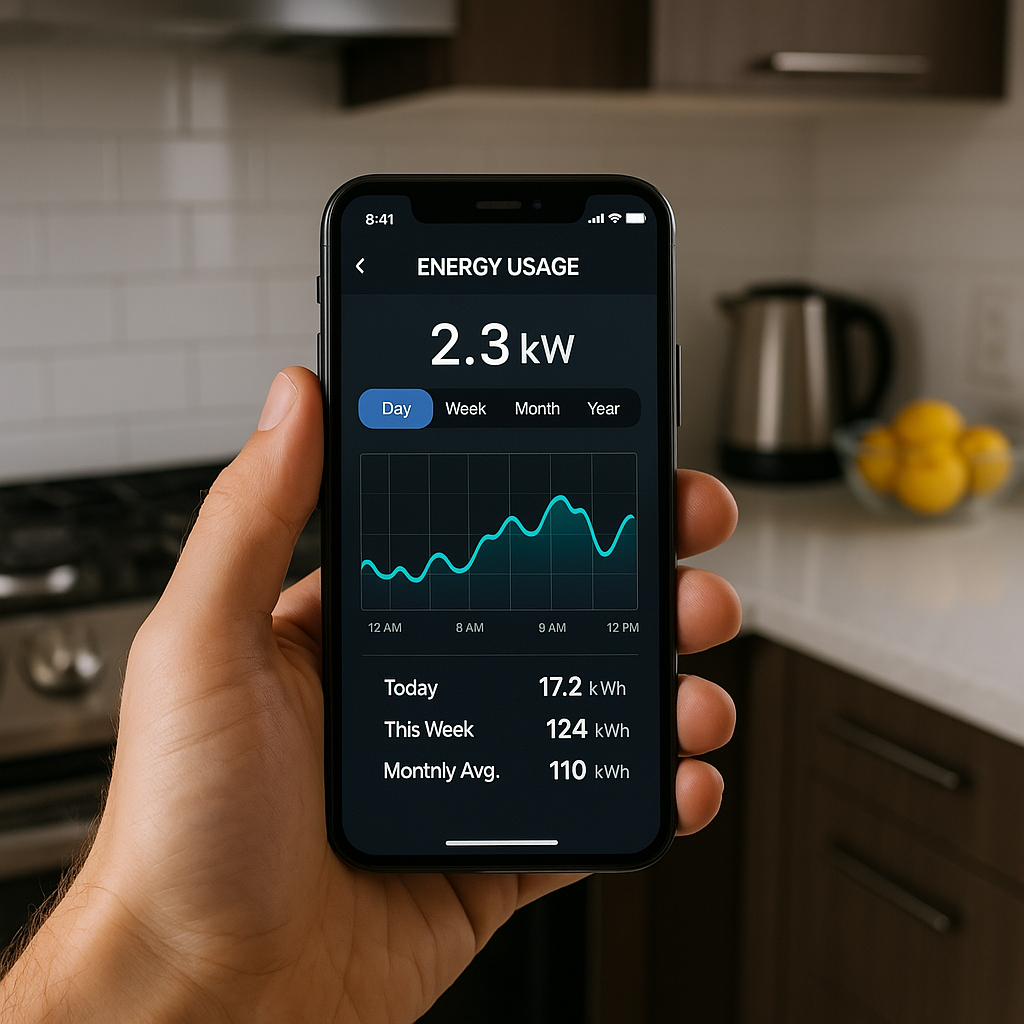
Energy Monitoring App: A smartphone displaying an energy monitoring app with graphs and statistics, held by someone in a sleek, modern kitchen.
Energy Monitoring App: A smartphone displaying an energy monitoring app with graphs and statistics, held by someone in a sleek, modern kitchen.
Elderly Person Using Smart Device: An elderly leady using a voice assistant control in a safe, accessible, and well-lit living room.
Final Thoughts
Home automation isn’t just about having the latest tech—it’s about improving your everyday life. From simplifying routines to improving security, reducing energy use, or helping loved ones live more independently, smart home devices are changing the way Americans live.
So whether you’re just dipping your toes in or planning a full smart home setup, one thing’s clear: home automation isn’t the future—it’s the now.